- Jinhua Sigma Industrial And Trading Co., Ltd.
- 86-13566763606
- info@jhsigma.com

The Best Industrial
Solution Provider
What Materials and Cushion Technologies Help Outdoor Furniture Withstand Sun and Rain?
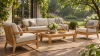
Quick answer: Weather-resistant outdoor furniture works as a complete system. Choose a suitable teak or protected aluminum frame, an outdoor-rated UV-resistant fabric, and cushions that repel surface water or allow water to drain and dry. Check the finish, hardware, seams, and care instructions as carefully as the headline material. No outdoor material is maintenance-free or immune to every climate.
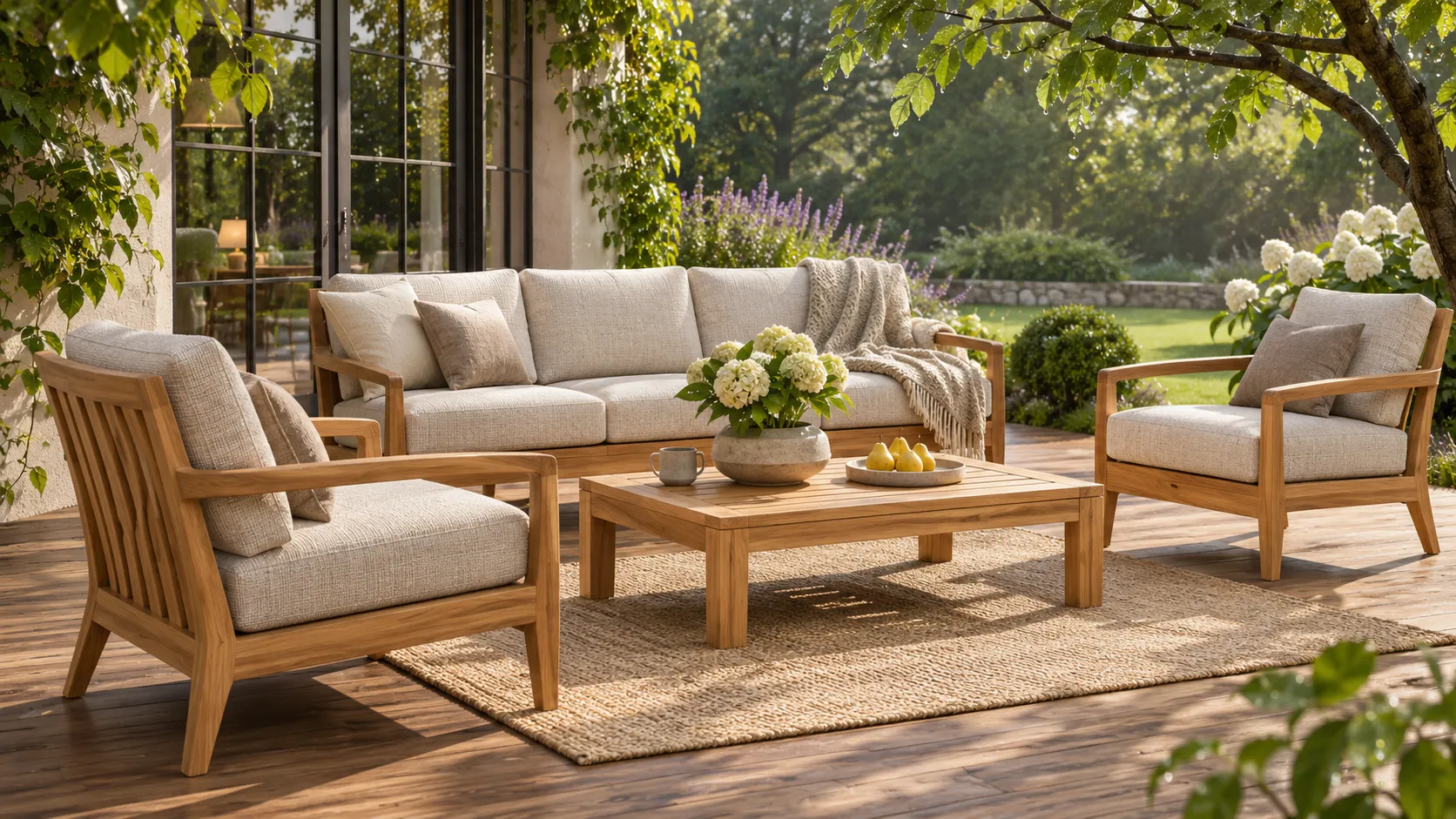
Start with the climate and the full construction
Prolonged sunlight can fade color and heat surfaces. Rain and humidity can leave water inside cushions or around joints. Temperature swings can stress finishes and fittings. That is why outdoor furniture weather resistance depends on the frame, coating, fabric, cushion fill, drainage, and routine care working together.
Before selecting a set, tell the supplier whether it will sit under cover or in open exposure, and whether the site is sunny, humid, rainy, coastal, or subject to freezing temperatures. Ask for the exact specification of the proposed configuration rather than assuming all versions of a collection use the same materials.
Teak furniture or aluminum furniture: which frame fits your space?
| Frame | Advantages | What to check |
|---|---|---|
| Teak furniture | Teak is a practical outdoor hardwood and develops a silver-gray patina if left to weather. It suits buyers who prefer a natural wood look. | Confirm the wood source and grade, joinery, finish, and care guidance for the specific product. Expect its appearance to change outdoors unless maintained for a chosen color. |
| Aluminum furniture | Aluminum has natural corrosion resistance and is relatively light to move. A suitable outdoor finish can add color and surface protection. | Confirm the alloy and section design, coating system, drainage details, and the material of fasteners. Scratches and dissimilar-metal connections still need attention. |
Neither frame is automatically the longest-lasting choice in every setting. Construction quality, exposure, and upkeep matter. For coastal sites, ask specifically about the coating and hardware specified for salt-laden air; for cold climates, ask how the design handles standing water and seasonal storage.
What makes a fabric UV-resistant and weather-ready?
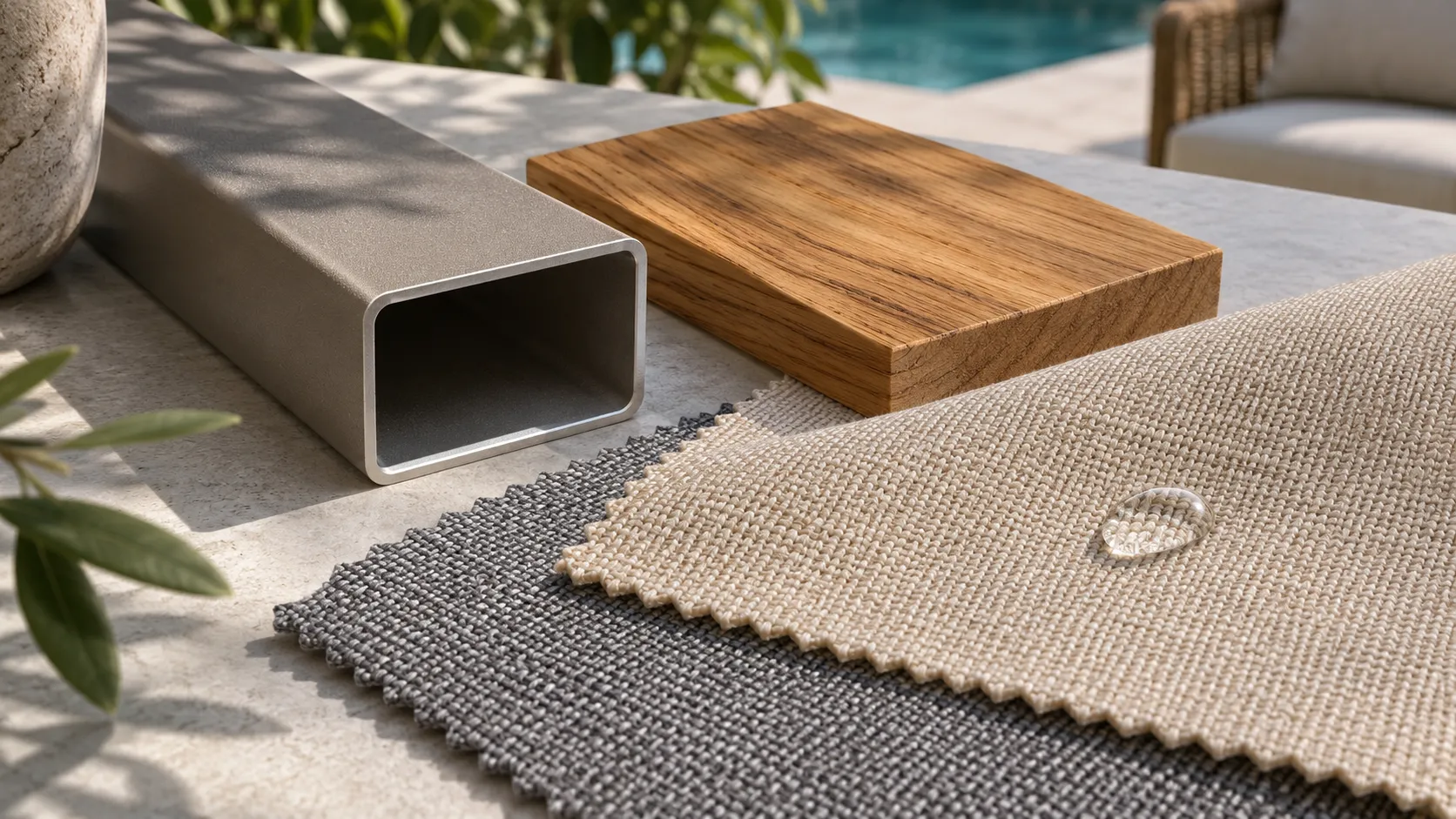
An UV-resistant fabric is selected to retain its appearance and strength under sunlight better than ordinary indoor upholstery. Ask the supplier for the exact fabric name, fiber content, colorfastness information, and cleaning guidance for the offered fabric. Solution-dyed outdoor fabrics are one option: pigment is added during fiber production, rather than only applied to the finished surface. Fabric performance varies by product and color.
Water-repellent means water beads or sheds at the surface for a time; it does not mean a cushion can be left submerged or that every seam is waterproof. Likewise, mildew-resistant does not mean mildew can never appear. Dirt and moisture left on a fabric can support growth, so cleaning and complete drying remain important. A removable cover makes inspection and cleaning easier, provided the cover's care label permits removal and washing.
Why quick-dry foam matters inside the cushion
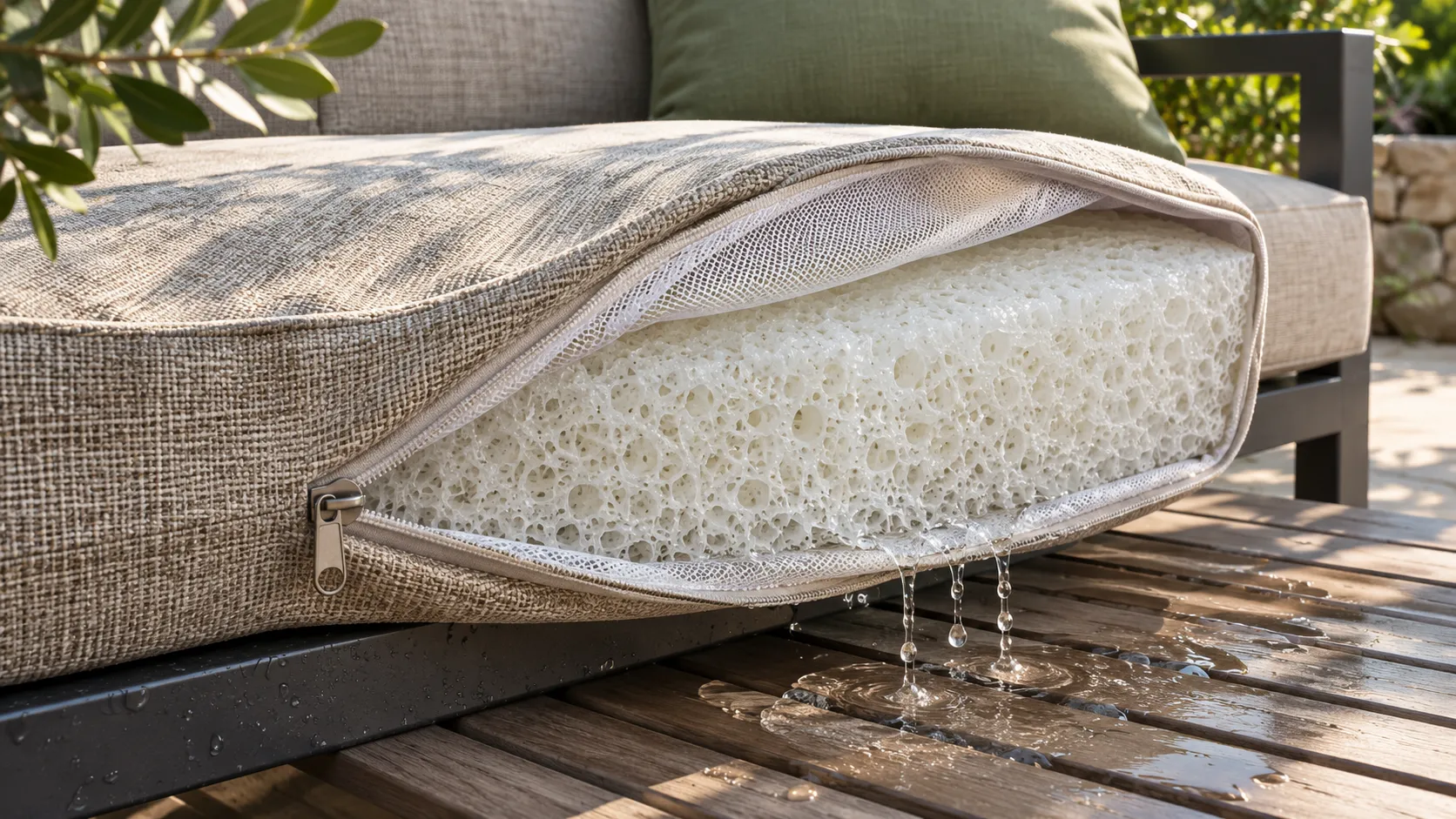
The cover is only one layer. When a cushion is regularly exposed to rain, quick-dry foam with an open, draining cell structure can let water pass through and air circulate. It should be paired with a cover, liner, seams, and cushion base that permit the intended drainage and drying. A fast-draining insert inside a water-trapping enclosure will not work as expected.
Ask the supplier to identify the cushion filling and explain how the whole cushion is meant to dry. If the furniture is under a roof and cushions are stored during storms, another construction may be appropriate. After heavy rain, stand removable cushions on edge in a ventilated place and allow them to dry fully before covering or storing them. Follow the care instructions for the specific materials.
Request written answers to these points before approving a sample or production specification:
-
Frame: What exact wood or metal, joinery, hardware, coating, and drainage details are included?
-
Fabric: What is the named fabric and its stated UV, water-repellency, and mildew-resistance performance? What care is required?
-
Cushion: What is the fill, how does water escape, and are covers removable or replaceable?
-
Finish: Can the supplier show a physical finish and fabric sample, including the selected color?
-
Site fit: Which choices are recommended for the project's sun, rainfall, humidity, temperature range, and maintenance plan?
Photographs help with style, but physical samples and a written bill of materials help buyers assess the actual finish and construction. Confirm any change to materials or specifications before mass production.
FAQ
Is teak or aluminum better for rainy outdoor areas?
Both can be suitable when properly built and maintained. Teak offers a natural wood appearance and will weather in color; aluminum offers a lighter frame and a different maintenance profile. Compare the exact construction, finish, hardware, and exposure conditions.
Does water-repellent fabric eliminate the need for quick-dry foam?
No. Rain can enter at seams or during sustained exposure. If cushions will be left outdoors, ask how both the cover and interior manage moisture and how the complete cushion dries.
Can outdoor cushions stay outside all year?
That depends on the cushion construction, local weather, and care instructions. Clean and dry them before storage; use breathable protection where appropriate, and follow the supplier's advice for severe weather and freezing conditions.
Plan an outdoor furniture specification with SIGMA Furniture
SIGMA Furniture offers material and customization options for different outdoor living requirements. Share your project setting, preferred frame appearance, fabric expectations, and cushion care needs so the proposed configuration can be reviewed before production. Explore SIGMA Furniture and contact the team.
Editorial sources for material guidance: Sunbrella on outdoor upholstery fabrics; Sunbrella on moisture and mildew care; The Aluminum Association on aluminum's corrosion resistance; Barlow Tyrie on teak furniture care; Foam Factory on open-cell outdoor foam. These are general material references, not claims about components used in a particular SIGMA product.
Publishing notes: Upload the three supplied images to the site's media library and insert them at the marked positions. Replace image labels with the hosted media URLs; keep the descriptive alt text. Verify the exact materials and care details of any linked product before adding a product-specific claim.
Related News





Contact US
Product Information
Quantity
Unit
Piece
Support order samples, customization, wholesale direct, and complete payment. If the product you look for does not have corresponding customized content, pls fill out the form below to contact us, and we will reply ASAP.