- Jinhua Sigma Industrial And Trading Co., Ltd.
- 86-13566763606
- info@jhsigma.com

The Best Industrial
Solution Provider
What Outdoor Furniture Lasts the Longest, and How Can I Judge Its Quality?

Short answer: Well-made teak and properly finished aluminum are among the most durable outdoor furniture choices. Neither material alone guarantees a long service life. The frame design, joints, finish, fasteners, fabric, cushion drainage, local climate, and maintenance all matter. To judge quality, ask for material specifications, close-up construction photos, dimensioned drawings, care instructions, and written confirmation of the final specification.

Which materials last longest outdoors?
| Material | Strength | What to watch for |
|---|---|---|
| Teak | Naturally durable and repairable; can weather to silver-gray | Wood grade, joinery, drainage, and expectations for color change |
| Powder-coated aluminum | Lightweight and resistant to ordinary iron rust | Coating consistency, welds, drainage, and hardware corrosion |
| Stainless steel | Strong and suitable for some outdoor applications | Correct grade for the environment, especially near saltwater |
| Synthetic wicker or outdoor rope | Comfortable and versatile around a sound frame | UV resistance, tension, attachment, and replacement options |
| HDPE | Easy to clean and resistant to moisture | Structural support, heat movement, and color stability |
The best choice changes with the site. In coastal areas, salt exposure makes hardware, finishes, and cleaning frequency especially important. In hot, sunny climates, check fabric and woven-material specifications. In wet climates, drainage and quick drying cushions deserve particular attention.
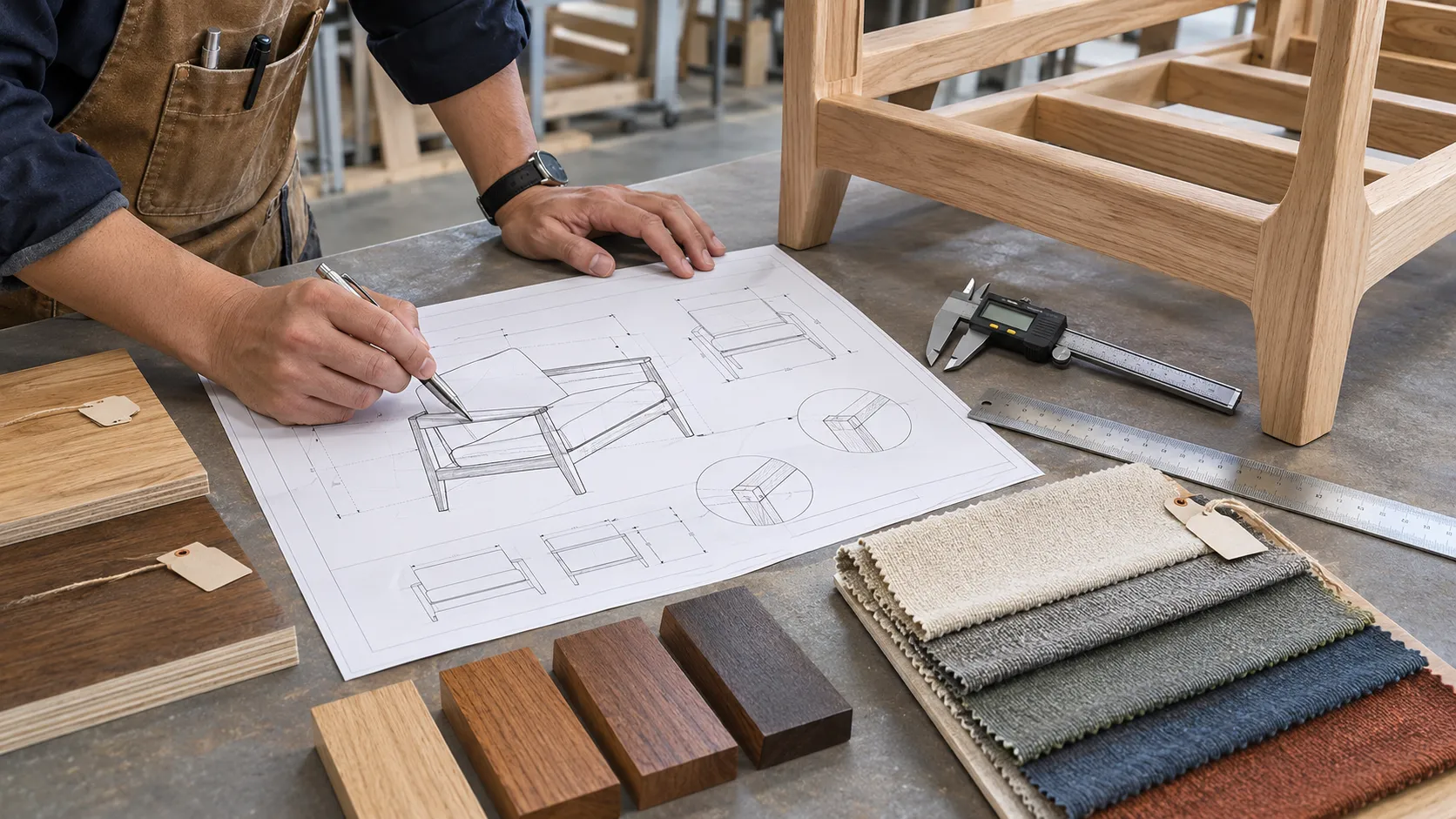
A practical quality checklist
1. Inspect the frame and joints
Ask for close-up photographs of corners, welds, connections, and the underside. A stable frame should sit level and feel rigid in normal use. On wood furniture, look for consistent joinery and sensible allowances for outdoor movement. On aluminum furniture, examine whether welds are neat and the finish reaches edges and connection points.
2. Check the finish and hardware
An even surface finish helps protect exposed areas. Ask what finish is used, how it should be maintained, and what happens if it is scratched. Confirm fastener materials and whether they suit your climate. A corrosion-resistant frame can still develop problems when unsuitable screws or connectors are used.
3. Look beyond cushion thickness
Thick cushions are not automatically durable. Ask about foam construction, support, drainage, removable covers, and fabric care. Check that rainwater has a route out and that cushions can dry before being stored or covered. For replacement planning, confirm whether covers or complete cushions can be reordered.
4. Examine rope, wicker, and sling details
Look for even tension, secure attachments, consistent spacing, and outdoor-grade material. Ask how a damaged section would be repaired or replaced. A beautiful weave will not compensate for a weak underlying frame.
5. Request evidence you can compare
Before approving an order, request a dimensioned drawing, material and finish samples where practical, detail photos, care instructions, and a written specification listing the agreed components. For a large custom project, confirm which sample or drawing is the final approved reference before mass production.
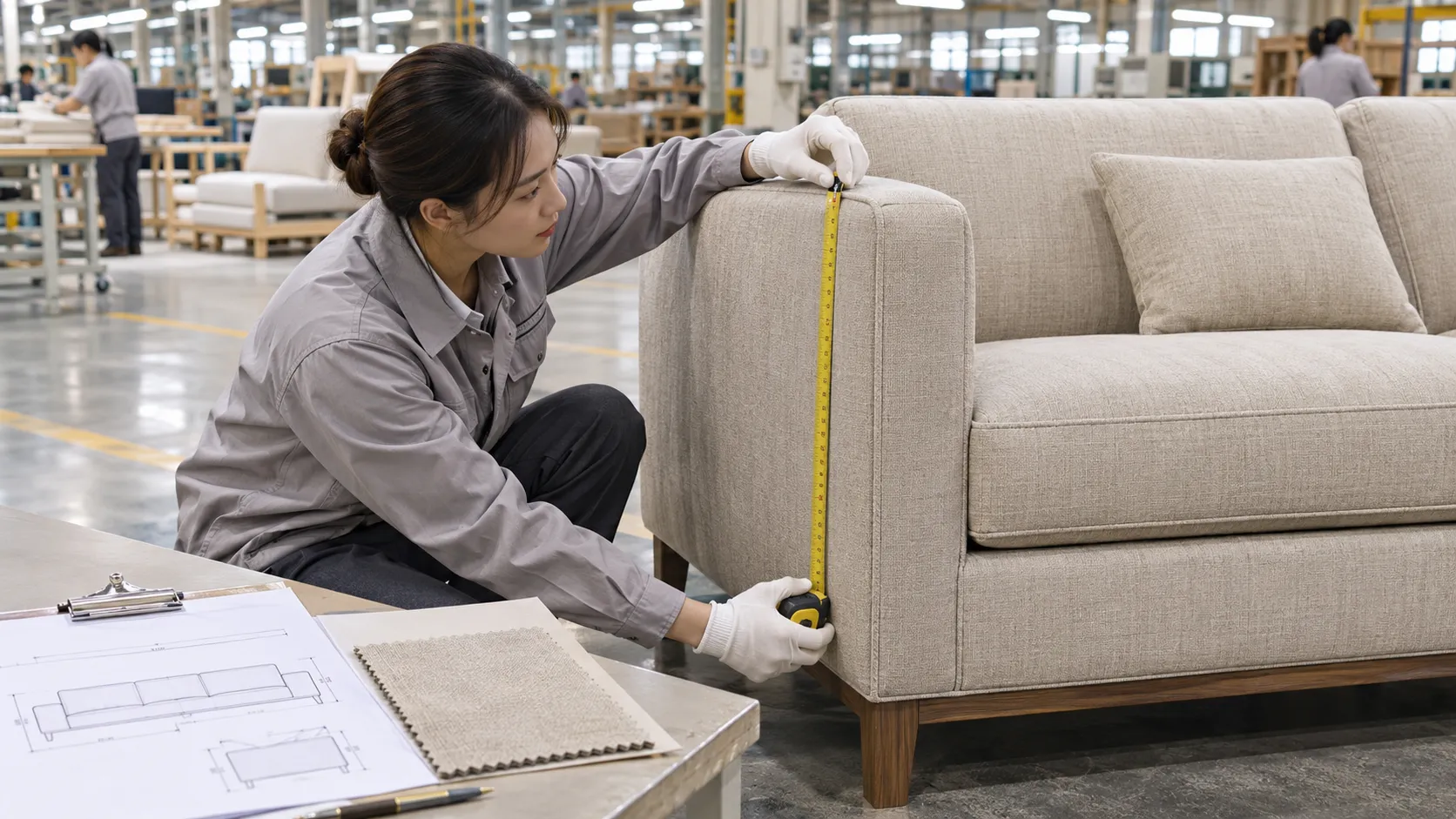
Questions to ask a supplier
- What are the exact frame, hardware, fabric, and cushion materials?
- Can you share close-ups of joints, welds, weaving, and the underside?
- How do water and moisture drain from the frame and cushions?
- Which parts or covers can be replaced later?
- What maintenance is needed in my climate?
- Which drawings, samples, and finishes will be approved before production?
Treat unsupported claims such as “weatherproof” or “maintenance-free” cautiously. Ask what those terms mean for the specific product and exposure conditions.
How SIGMA approaches material selection
SIGMA Furniture, founded in 2005, provides one-stop indoor and outdoor furniture solutions for villas, hotels, resorts, and homes. Its team in Jinhua, Zhejiang, can discuss a project’s layout, climate, intended use, and preferred design before the materials and specifications are finalized. Buyers should approve the final drawings, material selections, finishes, and dimensions in writing before production.
For a tailored recommendation, send your location, project drawings, expected use, and preferred material to SIGMA Furniture.
Frequently asked questions
Does teak last longer than aluminum outdoors?
Both can be long lasting when well made and maintained. Teak may weather naturally and can often be refinished; aluminum generally requires less routine care. Construction quality and climate are more useful deciding factors than a universal lifespan claim.
Is expensive outdoor furniture always better quality?
No. Compare the documented materials, construction details, finish, cushion design, repairability, and after-sales terms rather than price alone.
What is the most important sign of durable patio furniture?
There is no single sign. A sound frame, suitable hardware, protective finish, effective drainage, and replaceable wear components work together.
Can outdoor furniture last longer near the ocean?
Yes, with materials and hardware selected for salt exposure and regular fresh-water cleaning. Ask the supplier to review the complete specification for the site.
Related News







Contact US
Product Information
Quantity
Unit
Piece
Support order samples, customization, wholesale direct, and complete payment. If the product you look for does not have corresponding customized content, pls fill out the form below to contact us, and we will reply ASAP.